.avif)

Get off the bus and into the buildings. On the first day of the Summit, attendees take to the streets of Denver for guided tours of three standout mass timber projects — each one a real-world lesson in what's possible when great design meets innovative materials and bold decision-making.
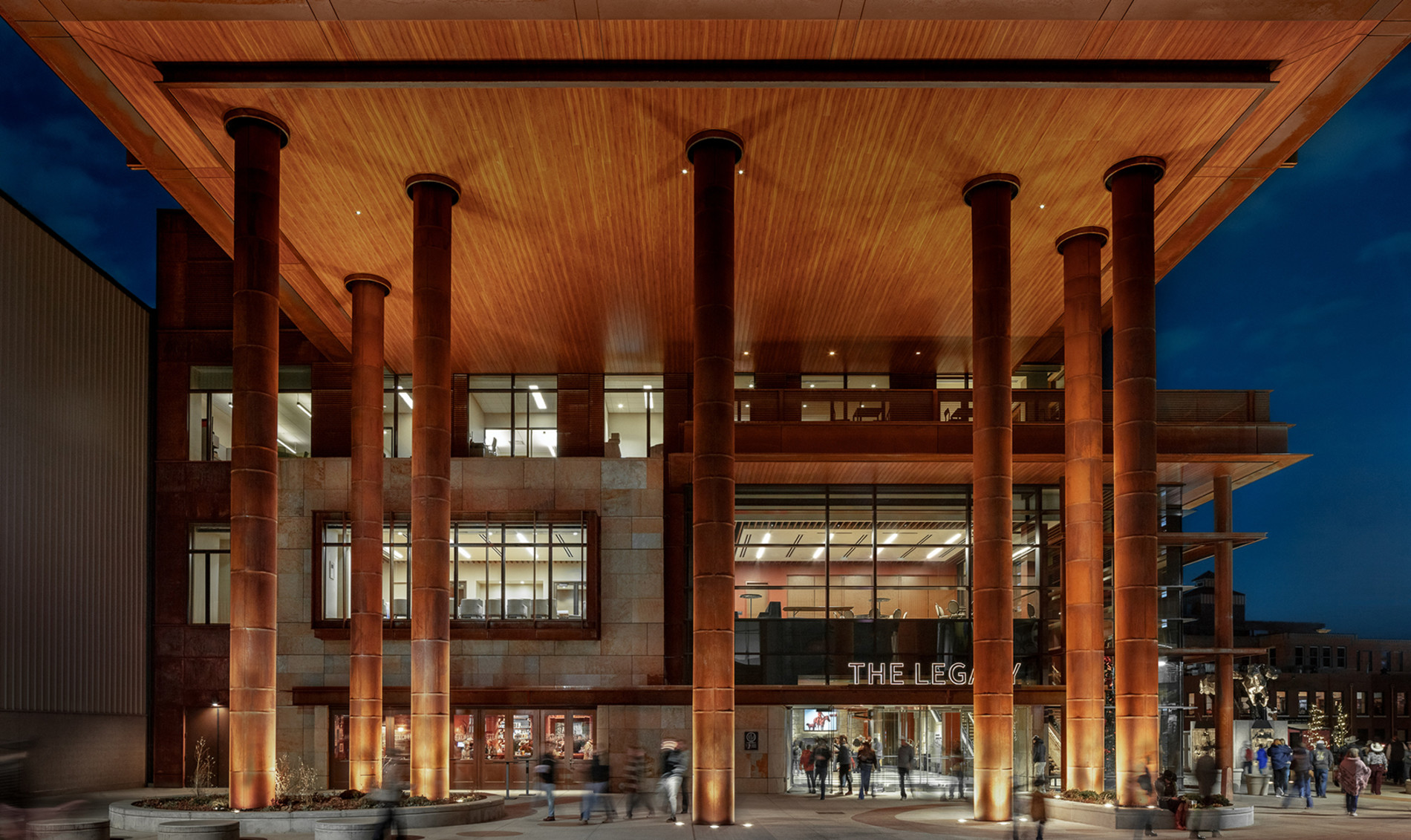
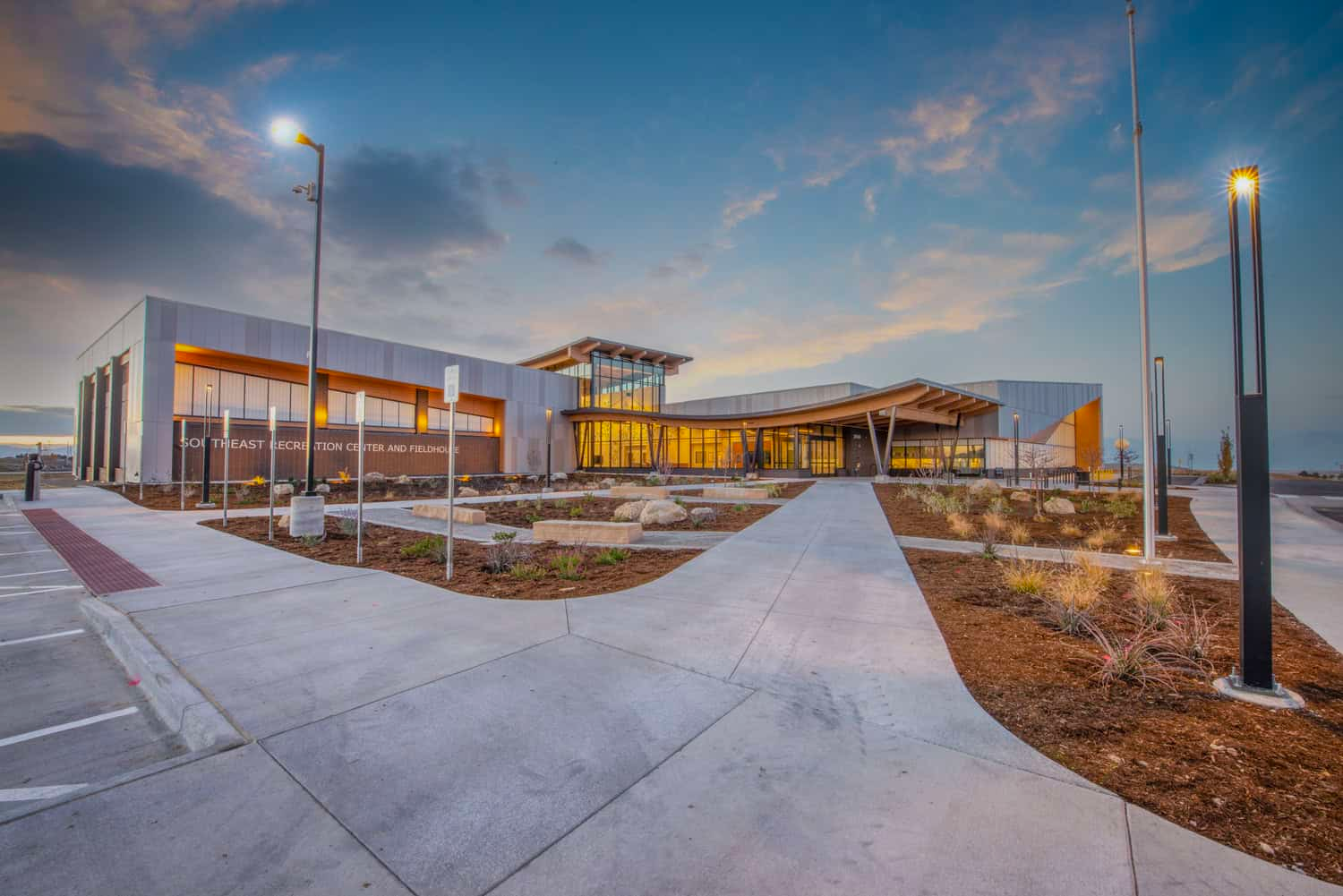
Tour Colorado's tallest mass timber building at MSU Summit House, a 12-story, 586-bed student housing project that proves mass timber can compete head-to-head with concrete on cost. Then explore the Aurora Southeast Recreation Center & Fieldhouse, a 77,000 square foot civic building where a sweep of exposed glulam ripples across the ceiling and appears to float above glass on every side. Cap the day at the Western Stock Show Legacy Building — an iconic Denver venue that sets the stage for the Summit's opening Western Night celebration.
Each tour is hosted by the project teams themselves — the architects, engineers, contractors, and manufacturers who made it happen — giving you direct access to the decisions, challenges, and lessons learned that you can bring back to your own projects.

.png)


.png)



.png)
%20(1).png)
more sessions

The Globeville Mixed-Use Development in Denver represents a convergence of community need, environmental equity, and structural innovation.
.png)
Cost per square foot doesn't work for mass timber. So how do you know if a project pencils before you spend a year and a small fortune?
Mass timber projects succeed or fail on the design decisions made early. Member sizing and bay geometry drive structural performance, fabrication cost, and erection speed.
Join this expert panel as industry leaders explore how hybrid mass timber construction is shaping the future of building in North America.
This session explores the growing shift from site-built construction to factory-driven delivery in mass timber projects.
In the 5 to 10 story accommodation market (hotels, student housing, residential, social housing), light frame wall systems can't reach that height leaving concrete as the default.
This panel explores the real-world coordination required to deliver a complex mass timber project, using Ullrhof in Aspen as a case study.
Mass timber doesn't have to be the primary structural system to show up in a building

.png)
AEC Convention
This is THE mass timber event where new projects get started, deals happen, and you grow your network (ask anybody who comes).
Next year, we'll have dedicated tracks for each AEC profession, and a series on developer conversations and priorities.